

Can Gutter Guards Cause Ice Dams?
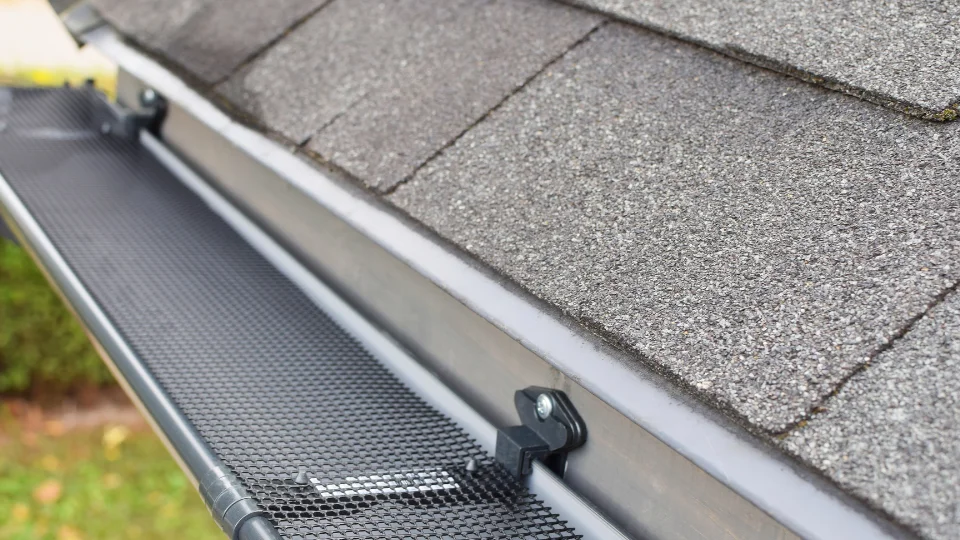
Ice dams are a serious concern for homeowners in cold climates. They can lead to roof leaks, interior water damage, and long term structural issues. As gutter protection systems become more common, many homeowners ask the same question every winter: can gutter guards cause ice dams?
Gutter guards are designed to reduce debris buildup and limit gutter maintenance. While they can be helpful in many situations, they may also contribute to ice dam problems if conditions are right. Understanding how ice dams form and how gutter guards affect drainage helps homeowners protect their roofs during winter.
How Ice Dams Develop on Residential Roofs
Ice dams form due to uneven roof temperatures. Heat from inside the home rises into the attic and warms the roof surface. Snow on warmer sections of the roof melts and turns into water. As that water flows down the roof, it reaches colder areas near the eaves and gutters where it refreezes.
This freezing creates a ridge of ice along the roof edge. As melting continues, water becomes trapped behind the ridge with nowhere to go. That trapped water can seep beneath shingles and enter the home. Even small ice dams can cause damage over time if the problem repeats.
Ice dams are not limited to older homes. Newer homes can experience them as well if attic insulation, ventilation, or roof drainage is not performing as expected.
Why Gutters Matter in Ice Dam Formation
Gutters sit at the exact location where ice dams form. Their job is to move water away from the roof, but during winter they are exposed to freezing temperatures, snow buildup, and ice accumulation.
When gutters freeze, water cannot drain properly. Adding gutter guards changes how snow and water interact with the gutter system. This leads many homeowners to ask can gutter guards cause ice dams after seeing more ice along their roofline.
Can Gutter Guards Cause Ice Dams Under Certain Conditions
The answer to can gutter guards cause ice dams depends on design, installation, and roof conditions. Some gutter guards can slow drainage or trap explain snow and ice at the roof edge.
When snow melts and refreezes over the surface of a gutter guard, it can block openings and prevent water from entering the gutter. Water then backs up on the roof and feeds ice dam growth. This cycle repeats during freeze and thaw periods, allowing ice ridges to grow larger over time.
It is important to understand that gutter guards do not create heat loss. Heat escaping from the home causes snow to melt. Gutter guards affect what happens to that water once it reaches the roof edge.
Snow Buildup and Ice Around Gutter Guards
Certain gutter guard designs create flat surfaces that hold snow longer. As daytime temperatures rise, snow melts and spreads across the guard surface. When temperatures drop at night, that water refreezes into solid ice.
Over time, layers of ice build up and block drainage points. This buildup adds weight to the gutter system and increases the chance of water backing up onto the roof.
This is one of the most common reasons homeowners ask can gutter guards cause ice dams after installation.
Drainage Issues During Freezing Weather
Winter drainage happens slowly. If a gutter guard restricts water flow, melting snow may not move through the system fast enough. When water sits near freezing temperatures, it refreezes before it can drain away.
This can cause ice to form directly above the gutter opening. As more water collects, the ice dam grows and pushes water back under the shingles.
Guards with very small openings or complex channels may struggle during heavy snow melt.
Installation Quality and Ice Dam Risk
Even well designed gutter guards can cause problems if installed incorrectly. Guards that are misaligned with the roof slope can interfere with natural water flow. Gaps at the roof edge can allow water to freeze along the fascia instead of entering the gutter.
Poor installation often does not show signs until winter arrives. This is why professional installation matters, especially in areas with heavy snowfall.
The Bigger Picture of Ice Dam Prevention
While gutter guards play a role, ice dams usually point to attic and roof issues. Heat loss through the attic is the main cause of snow melting on the roof. Poor insulation and limited ventilation allow warm air to escape and raise roof temperatures.
Even without gutter guards, these conditions can create ice dams. With gutter guards installed, the problem may become more noticeable due to reduced drainage.
Addressing insulation, sealing air leaks, and improving ventilation often reduces ice dam risk more than changing gutter systems alone.
Choosing Gutter Guards for Cold Climates
Not all gutter guards perform the same in winter conditions. Systems that allow water to drop quickly into the gutter and limit flat surfaces tend to handle snow melt better.
Metal gutter guards that sit close to the roofline often shed snow more easily than surface mounted designs. The goal is to support drainage rather than slow it.
No gutter guard completely prevents ice dams, but choosing the right system helps avoid making the problem worse.
Monitoring Roof Edges During Winter
Even with gutter guards installed, winter inspections are important. Large icicles, ice ridges, and water stains inside the home are signs of drainage problems.
Ice dams develop over time. Catching them early reduces the chance of interior damage and roof deterioration.
Schedule a Roof Inspection Before Winter Damage Spreads
Ice dams can lead to serious roofing and interior issues if ignored. If you are concerned about winter roof performance or wondering can gutter guards cause ice dams on your home, a professional inspection can identify the cause.
Garlock French Roofing provides residential roof inspections focused on winter damage prevention and long term roof performance. Contact Garlock French Roofing today to schedule an inspection and protect your home from ice dam related repairs.
FAQ- Can Gutter Guards Cause Ice Dams?
Do gutter guards contribute to ice dam formation on residential roofs?
Gutter guards can contribute to ice dam formation when snow and ice build up over the gutter opening and block melting water from draining off the roof edge.
Can ice dams still form if attic insulation is in place?
Ice dams can still form even with insulation present if warm air escapes into the attic or drainage near the roof edge is restricted during freezing conditions.
Do gutter guards cause ice dams to develop faster during winter?
In some cases, ice dams can develop faster when gutter guards allow ice to build up over drainage points during repeated freeze and thaw cycles.
Can ice dams linked to gutter guards lead to roof leaks?
Ice dams connected to blocked drainage near gutter guards can lead to roof leaks when trapped water works its way beneath shingles and into the roof structure.
Will ice dams form every winter if gutter guards are installed?
Ice dams do not form every winter in all cases. Their development depends on snowfall levels, temperature swings, roof design, and overall drainage performance.
Bryan Karel leads Garlock French Roofing, renowned for its exceptional craftsmanship and commitment to quality in the roofing industry. With a keen focus on using high-quality materials and advanced installation techniques, Bryan ensures every roofing project not only meets but exceeds industry standards. Under his leadership, Garlock French Roofing has become synonymous with durability and aesthetic excellence, offering tailored roofing solutions that enhance the value and beauty of any property.